
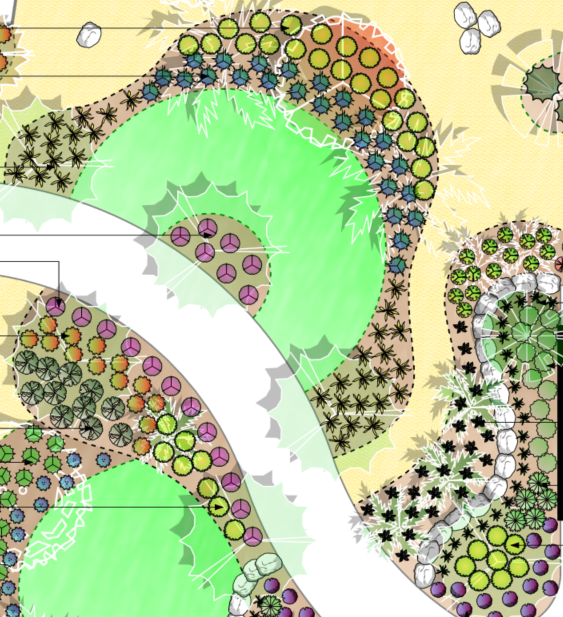
Designing an effective sprinkler system requires careful planning, accurate measurements, and a clear understanding of landscape watering needs. Every outdoor space has different requirements depending on its size, plant varieties, soil conditions, and layout. Sprinkler Design Software helps simplify this process by providing digital tools for preparing irrigation layouts, positioning sprinkler heads, and organizing system components. These tools allow landscape professionals to create detailed plans while improving accuracy and project coordination.
Understanding Sprinkler Design Software
Sprinkler design tools support the planning and development of watering systems for different landscape environments. They allow designers to create digital site layouts and represent important elements such as lawns, planting beds, pathways, buildings, pipes, valves, and sprinkler heads.
Instead of depending entirely on hand-drawn sketches, professionals can use digital drawings to organize system components. They can adjust measurements, modify equipment positions, and update layouts as project requirements change.
These capabilities are useful for residential gardens, commercial properties, public parks, recreational areas, and other landscaped spaces.
Planning Accurate Sprinkler Layouts
A successful sprinkler system begins with a detailed understanding of the property. Designers need to consider boundaries, garden sections, paved surfaces, planting locations, and areas that require regular watering.
Digital planning tools make it easier to represent these features in a structured layout. Sprinkler heads can be positioned according to their intended coverage areas, helping designers identify gaps and unnecessary overlaps.
Proper spacing is particularly important because uneven sprinkler placement can lead to dry patches or excessive watering. A clear layout helps professionals review coverage arrangements before installation begins.
Organizing Sprinkler Zones
Different landscape areas may have different watering requirements. For example, lawns, flower beds, shrubs, and trees may need separate irrigation arrangements.
Sprinkler design tools help organize these areas into suitable watering zones. Designers can group components according to coverage needs, water pressure, and system capacity.
Zone planning also supports better control over water distribution. By separating areas with different requirements, the system can be designed to deliver appropriate watering without treating the entire property in the same way.
Planning Pipes and System Components
Pipelines connect sprinkler heads to the water supply and play an important role in system performance. Their arrangement should be planned carefully to support effective water delivery and practical installation.
Digital drawings allow designers to indicate mainlines, lateral pipes, valves, fittings, and connection points. Labels and symbols can make each component easier to identify.
Designers can also review pipe routes in relation to buildings, pathways, trees, and other landscape features. This helps reduce installation conflicts and creates a clearer reference for contractors.
Improving Design Accuracy and Efficiency
Manual planning can become complicated when a project includes multiple zones, different sprinkler types, and detailed property measurements. Digital tools help organize this information in one drawing.
Designers can use accurate dimensions, drawing layers, symbols, and editing features to maintain consistency. If a planting area changes or a sprinkler needs to be relocated, the affected layout can be updated without recreating the entire plan.
This flexibility can save time during design development and make project revisions easier to manage.
Supporting Installation and Project Coordination
Clear sprinkler drawings help installation teams understand the planned arrangement of the system. They provide information about sprinkler locations, pipe connections, zone boundaries, and equipment placement.
Detailed plans can also assist with material estimation. Project teams can review the drawing to determine the approximate quantities of pipes, fittings, valves, and sprinkler heads required.
When everyone works from an organized design, communication becomes easier and the possibility of installation misunderstandings can be reduced.
Conclusion
Sprinkler design technology makes landscape irrigation planning more organized, accurate, and adaptable. From positioning sprinkler heads to arranging pipelines and dividing watering zones, digital tools support important stages of system development. By preparing detailed layouts and reviewing design requirements before installation, landscape professionals can create practical sprinkler systems that support efficient water distribution and healthy outdoor environments.