
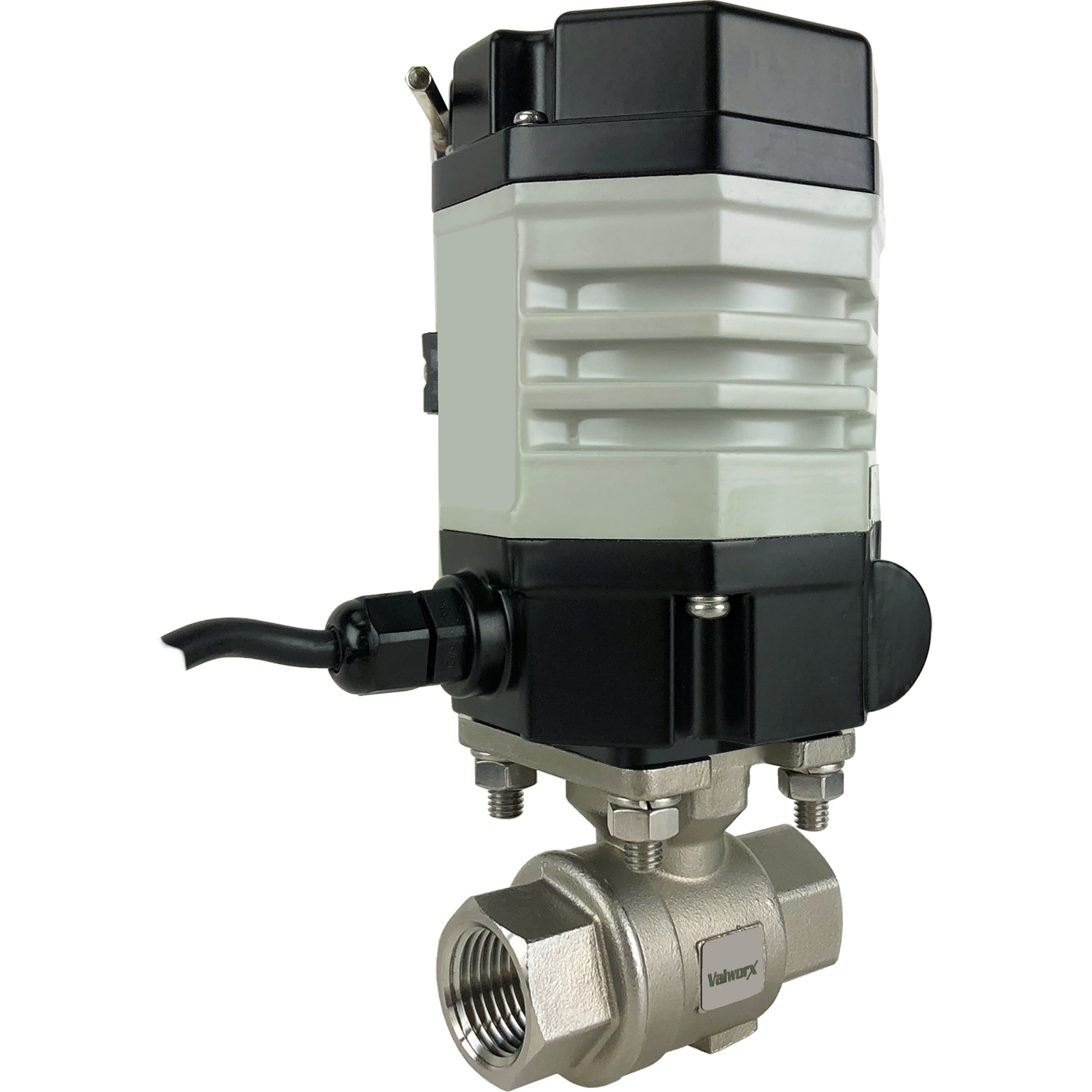
When working with high-pressure piping systems, selecting the right components is crucial for safety, efficiency, and long-term performance. Among various components, Flanged Valve play a vital role in regulating flow, maintaining pressure, and ensuring the system operates without leaks. But not all flanged valves are created equal, and choosing the right one for your system involves understanding their properties, benefits, and compatibility.
This article explores the key considerations and benefits of selecting flanged valves for high-pressure piping systems to help you make informed decisions.
Why Flanged Valves are Ideal for High-Pressure Systems
Flanged valves are often the preferred choice for high-pressure applications due to their strength, reliability, and ease of maintenance. Here’s why they are commonly used in industrial piping systems:
1. Strong and Durable Connections
Flanged valves are equipped with flanges that provide a secure, leak-proof connection when bolted to the corresponding pipe flanges. Unlike threaded or welded valves, flanged valves are less likely to fail under the intense pressures found in certain systems, making them a safe and sturdy option for demanding environments.
2. Ease of Installation and Maintenance
One significant advantage of flanged valves is how easy they are to install and remove. Should a system require maintenance or replacements, flanged valves can be quickly unbolted without disrupting adjacent piping. This reduces downtime and improves efficiency for high-pressure systems that demand minimal interruptions.
3. Suitable for High-Temperature and Corrosive Conditions
Flanged valves are particularly suited for systems that operate in challenging conditions, such as high temperatures or environments involving corrosive chemicals. Materials like stainless steel and special alloys used in flanged valves ensure excellent resistance while maintaining structural integrity.
Factors to Consider When Choosing Flanged Valves
While flanged valves are a versatile option, it’s essential to choose the right valve to match your piping system’s unique requirements. Here are the most critical factors to consider:
1. Pressure and Temperature Ratings
Always ensure the flanged valve meets the pressure and temperature specifications of your piping system. Look for valves with ratings that can handle the maximum operating conditions to avoid failure and ensure reliable performance.
2. Material Compatibility
Select valves made from materials that align with the medium being transported, whether gases, liquids, or chemicals. For instance:
- Stainless steel valves are ideal for corrosive and high-temperature applications.
- Cast iron valves are cost-effective and work well in potable water systems.
Matching materials extends valve life and ensures safety.
3. Valve Type and Application
Understand the specific function of the valve in your system. Common types include:
- Gate valves for on/off control and flow isolation.
- Ball valves for quick shutoff.
- Globe valves for fine flow regulation.
Choose the design best suited to your operational needs.
4. Standards and Certifications
Verify that the flanged valves comply with recognized industry standards and certifications for quality assurance. Standards such as ASME, ANSI, or API are indicators of reliable and tested components.
5. Size and Dimensions
Finally, consider the flange size, bolt patterns, and face-to-face dimensions to ensure the valve integrates seamlessly with your existing system. Precise sizing helps avoid misalignment and potential leaks.
Benefits of Proper Valve Selection
Choosing the right flanged valve significantly impacts the overall performance and safety of a high-pressure piping system. Here’s how proper selection benefits your system:
- Minimized Downtime: Reliable valves reduce frequency and severity of system failures.
- Cost Savings: High-quality valves made from durable materials lower maintenance and replacement costs.
- Safety Assurance: Properly selected valves reduce risks of leaks and failures in pressurized systems, increasing workplace safety.
Final Thoughts
Flanged valves are an essential component of high-pressure piping systems, offering durability, reliability, and flexibility for various applications. Selecting the right valve involves evaluating factors like pressure ratings, materials, and valve types to ensure proper integration and performance.
Investing time in evaluating your system’s specific requirements allows you to choose solutions that streamline operations while enhancing safety and efficiency.
For tailored guidance on selecting the best flanged valves for your application, consult with industry professionals to ensure your high-pressure systems operate at their full potential.